Bolds the start of each word as a visual anchor. Helps some people focus; off by default.
Font
Module 11 · Part One
Tools, Not Crutches
(support is smart self-care, never a verdict)
Lesson 1 of 5
Listen to this lesson
Narration coming soon
A note before we begin. This module is a permission slip as much as a lesson, so I want you to read it with your guard down. So much shame gets attached to needing support, and almost none of it belongs to you. There is nothing here to memorize, and nothing waiting to be tested. Each piece will still be here for you whenever you return to it.
Module 11 · Lesson 1 of 5
The Question That Was Never Fair
Somewhere along the way, you were probably handed two messages about support, and both of them left you alone. The first was to tough it out, to push through without help, because reaching for a brace or a cane somehow meant you were weak. The second arrived dressed up as wisdom. Do not lean on that support, or you will only grow dependent on it. Caught between the two, most people end up ashamed no matter what they choose, white-knuckling through pain they were never required to carry.
I want to throw that entire framing out, because the question underneath it was always the wrong one. The real question was never whether you are allowed to use a tool. The real question is what a tool can give you, and how to choose the ones that give you the most back.
A support was never a confession of failure. It was only ever a tool, waiting to hand something back to you.
Module 11 · Lesson 2 of 5
A Tool Gives You Your Day Back
Let us be clear about what a tool is actually for. It is not there to hide your weakness from the world. It is there to buy you something real. Stability for a joint that is worn out by noon. Blood flow for a system that keeps pooling. Energy saved and spent on what actually matters to you. Safety on an unsteady day. A way to be inside your own life, rather than watching it go by from the couch.
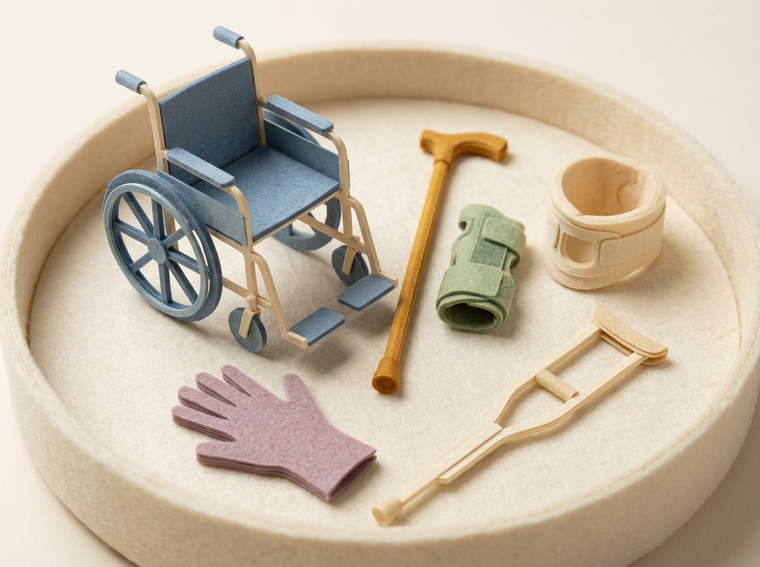
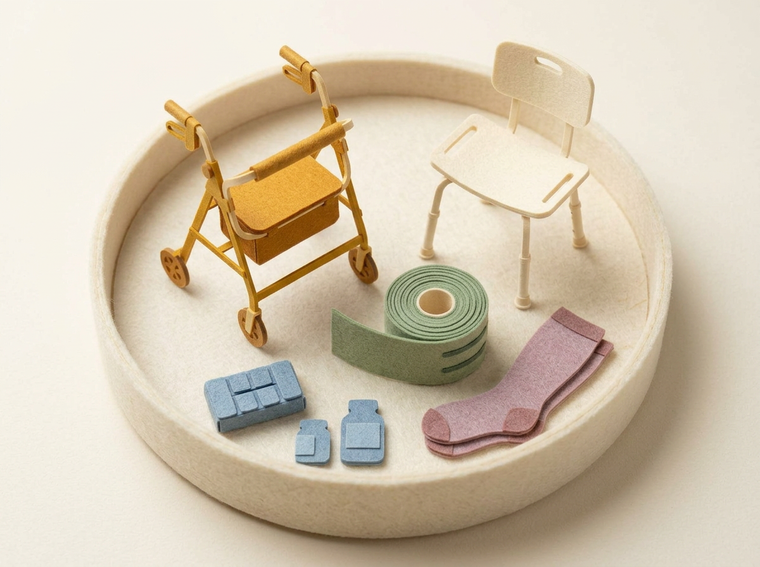
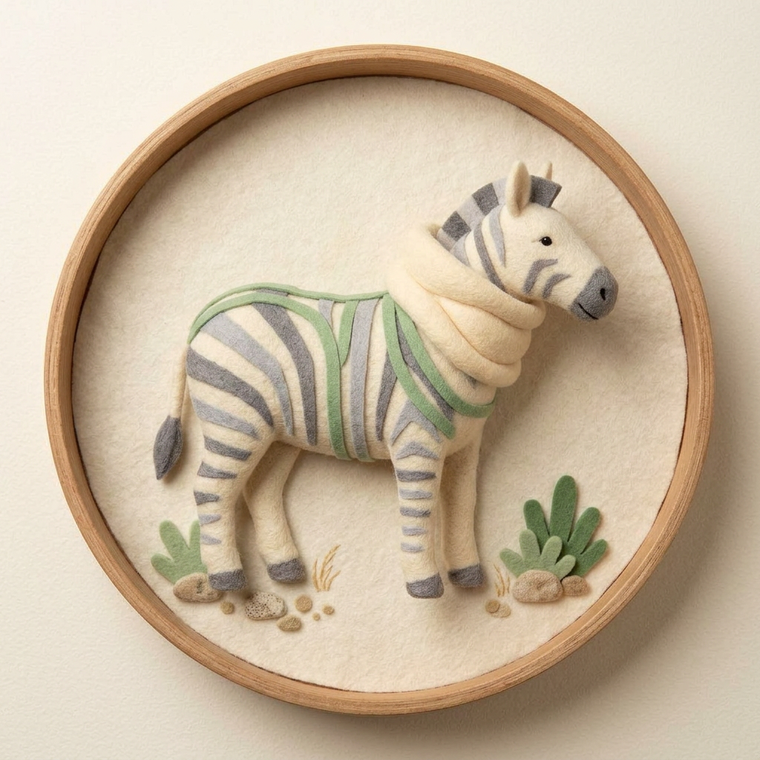
We have already met several of these along the way. The compression that helps your blood climb back up to your brain in the POTS module. The soft collar that lets an aching neck rest through a flare. A brace that carries a loose joint through a task it would otherwise pay for over the next three days. Each one creates the very same thing, a window where living costs you less. That window is the entire point.
remember
A tool that gives you your day back is a success, not a failure. The measure of any support is simple. Does it let you live more of your life, at a lower cost? When the answer is yes, it is doing exactly its job.
Module 11 · Lesson 3 of 5
Your Body Is Dynamic
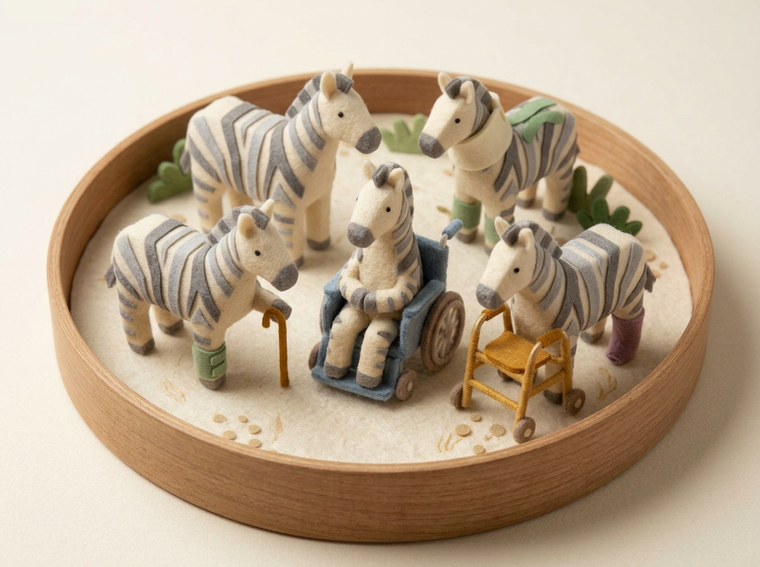
Here is one of the most freeing truths in this whole course. Your condition is not fixed in place from one day to the next. It moves. Some days you walk easily on your own two feet. Other days you reach for the cane, or the chair, or the brace, because your body is simply in a different place that morning.
This matters because of the guilt that so often rides alongside it. Using a tool today, then not needing it tomorrow, can feel like proof that you were exaggerating, or that you have slipped backward. Neither one is true. It is not inconsistency, and it is not failure. It is you responding, accurately and honestly, to a body that asks for different things on different days.
Needing support today and not tomorrow is not you losing your progress. It is you listening, closely, to where your body actually is right now.
Module 11 · Lesson 4 of 5
The Flip
In most rehabilitation, progress gets measured in exactly one direction. Fewer supports, fewer aids, less help leaned on, all of it counted as proof of getting better. The unspoken goal is always to take the tools away. Here, we turn that completely around.
For a body like yours, the right supports are not the thing we are quietly trying to get rid of. They are the management itself. Progress is not a smaller pile of braces in the closet. Progress is a fuller life, less pain, more of the people and things you love. We will never measure you by what you have managed to do without. This is the same paradigm inversion that runs through every part of this course, simply pointed now at your toolkit.
There is one honest thread worth keeping, and it is not about earning anything back. Where it genuinely makes sense, it helps to let a support and your own body both stay in the conversation, the way we spoke about the collar in the last module. Use the tool freely, and where you gently can, keep inviting the muscle to the table beside it, so every part of you stays in play. That is not a condition placed on your tools. It is simply a way of keeping the whole system awake.
Module 11 · Lesson 5 of 5
Choosing With Self-Respect
Freedom, not defeat.
So let me offer a way to choose that keeps your dignity fully intact. The question is no longer whether you are allowed. The question becomes, what does this give me? Does it open a door, lower the cost, keep me safe, let me show up for something I care about? When the answer is yes, that tool has earned its place, and you have honored yourself by choosing it.
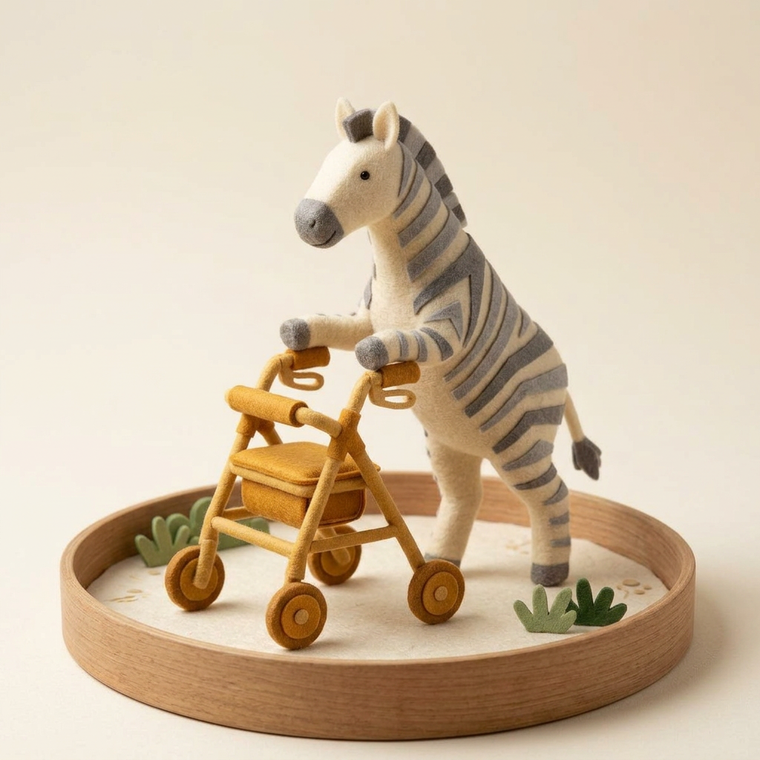
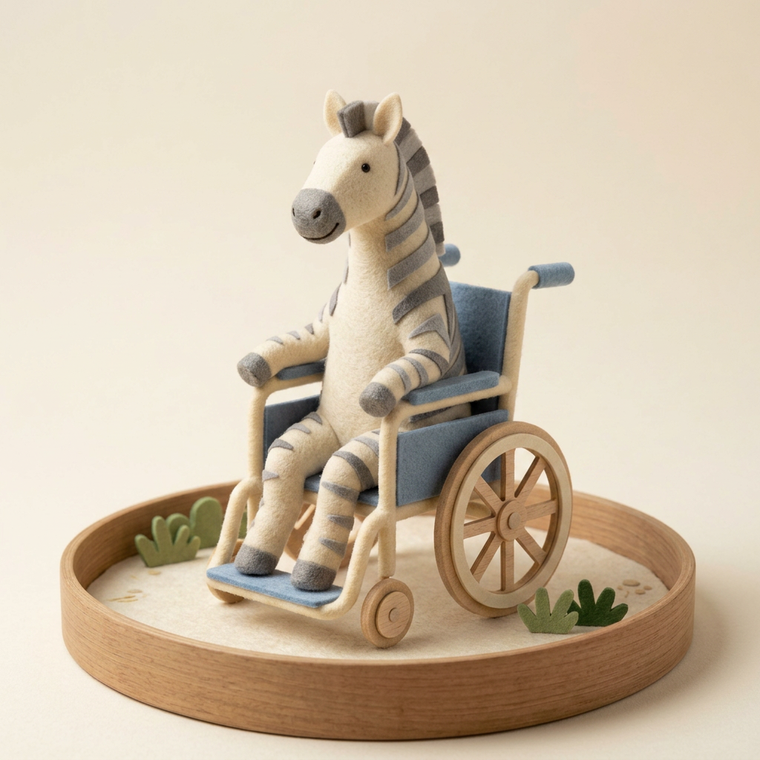
I want to say a particular word about the visible ones. A cane, a rollator, a wheelchair tend to carry the heaviest shame of all, because other people can see them. So hear this plainly. A wheelchair that carries you to the museum, or the party, or simply to the end of the block, is not a defeat. It is freedom. You are allowed to use one on some days and not on others. You do not owe anyone an explanation, and you never have to look sick enough to deserve the help that actually helps you.
An aid is not the end of your independence. So often, it is the very thing that hands your independence back.
Your Take-Away
My Toolkit. A permission page and a plan in one. You name your tools and what each one gives you, sketch a some-days plan for steady days and hard days, and write yourself the permission you were owed all along.
Talking With Your Doctor About Devices & a Parking Placard. A printable guide to bring to your appointment, with discussion points for assistive devices and a disability parking placard, and language to advocate clearly. Not a medical necessity letter, just the words to have the conversation well.
With that, you reach the end of Part One. You have spent this whole stretch coming to understand your body, why it works the way it does, and what it has been quietly asking for all along. Now, with the body understood and your nervous system holding its first tools, we can finally begin to move. Gently, supported, in order, and only ever with your permission. I will meet you in Part Two, whenever your body is ready.
If the preview below is blank, tap Save / Print to open and fill your worksheet. Your lesson is waiting right behind this screen.
Module 1 is yours to explore freely. The rest opens when you enroll in The Movement Primer, the live group program, and it stays yours, to revisit at whatever pace your body asks for.